
Introduction
Welcome to today’s lesson on sustainable agriculture and farming. In this lesson, we’ll be focusing on the top 10 verbs that are crucial for conversations in this field.
1. Cultivate
Cultivate, the first verb on our list, refers to the process of preparing and tending to the soil for planting. It involves activities like plowing, fertilizing, and watering, all aimed at creating a favorable environment for crops to grow.

2. Rotate
Crop rotation is a practice that involves changing the type of crops grown in a particular field over different seasons. This helps in maintaining soil fertility, managing pests, and reducing the risk of diseases.
3. Compost
Composting is the act of recycling organic waste, such as food scraps and plant materials, into a nutrient-rich soil amendment. It’s an eco-friendly way of enriching the soil without relying on synthetic fertilizers.
4. Irrigate
Irrigation is the controlled application of water to crops. It’s crucial in areas with limited rainfall or during dry spells. Proper irrigation ensures that plants receive adequate moisture for their growth and development.
5. Prune
Pruning involves selectively removing certain parts of a plant, such as branches or buds. It’s done to shape the plant, promote better growth, and improve overall health. Pruning also helps in managing pests and diseases.
6. Harvest
Harvesting is the process of gathering mature crops from the field. It’s a critical stage that requires proper timing to ensure maximum yield and quality. Different crops have specific harvesting techniques.
7. Preserve
Preservation techniques, such as canning, drying, or freezing, are used to extend the shelf life of harvested produce. These methods help in preventing spoilage and reducing food waste.
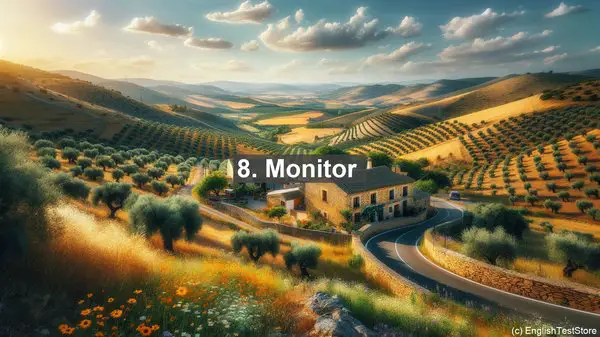
8. Monitor
Regular monitoring of crops is essential to identify any issues, such as nutrient deficiencies, pest infestations, or diseases. Timely intervention can prevent potential damage and ensure healthy plant growth.
9. Diversify
Diversification refers to the practice of growing a variety of crops or raising multiple livestock species. It’s a strategy that offers several benefits, including risk reduction, improved soil health, and market flexibility.
10. Educate
Lastly, education plays a crucial role in sustainable agriculture. By sharing knowledge and promoting awareness, we can empower individuals to make informed decisions and contribute to a more sustainable future.