
Introduction: The Power of Verbs
When it comes to conversations on organic farming and sustainable food practices, the right verbs can make all the difference. They not only convey actions but also reflect the principles and values of this field. Today, I’ll be sharing the top 10 verbs that are commonly used in such discussions. Let’s get started!
1. Cultivate: The Foundation of Farming
Cultivate is more than just planting seeds. It encompasses the entire process of tending to crops, from preparing the soil to nurturing their growth. Organic farmers often emphasize the need to cultivate in a way that respects the ecosystem and enhances soil health.
2. Compost: Nature’s Recycling
Composting is a natural way to recycle organic waste. By decomposing materials like kitchen scraps and yard trimmings, it creates nutrient-rich compost that can be used as a natural fertilizer. It’s a sustainable alternative to synthetic options.
3. Rotate: Balancing the Soil
Crop rotation involves changing the type of crops grown in a particular area over time. This practice helps maintain soil fertility, prevents the buildup of pests and diseases, and reduces the need for chemical interventions.
4. Preserve: Extending Shelf Life Naturally
Preserving food is crucial for minimizing waste. While traditional methods like canning and fermenting are still popular, there’s a renewed interest in natural preservation techniques, such as drying and freezing, to avoid the use of artificial additives.
5. Pollinate: Nature’s Reproduction
Pollination is vital for plant reproduction. While wind and water play a role, the majority of pollination is done by bees and other pollinators. Protecting their habitats and avoiding harmful pesticides is essential for maintaining this delicate balance.
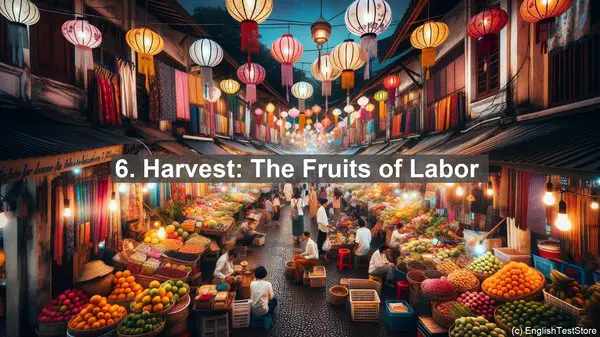
6. Harvest: The Fruits of Labor
Harvesting is the culmination of the farming process. It’s not just about gathering crops; it’s about doing so at the right time to ensure optimal flavor and nutrition. Many organic farmers also emphasize the importance of hand-harvesting for quality control.
7. Educate: Spreading Awareness
Education is a key aspect of promoting sustainable food practices. Whether it’s through workshops, online resources, or community events, the goal is to empower individuals with the knowledge and skills to make informed choices.
8. Advocate: Driving Change
Advocacy goes beyond personal actions. It involves actively supporting policies and initiatives that promote organic farming and sustainable food systems. By raising awareness and voicing concerns, advocates can bring about meaningful change.
9. Collaborate: Strength in Unity
Collaboration is essential in the world of sustainable food. From farmers and researchers to consumers and policymakers, everyone has a role to play. By working together, we can address challenges and find innovative solutions.
10. Inspire: Leading by Example
Finally, inspiration is a powerful tool for change. By showcasing successful organic farms, sharing stories of sustainable practices, and highlighting the benefits, we can motivate others to join the movement and create a more sustainable future.