
Introduction: The Importance of Vocabulary in Conversations About Urban Ecology
When it comes to discussing urban ecology and green spaces, having a strong vocabulary is crucial. It allows us to articulate our thoughts, express concerns, and propose solutions. In this lesson, we’ll focus on 10 verbs that are particularly useful in these conversations. Let’s dive in!
1. Preserve
Preserve means to protect or maintain something in its original state. When we talk about urban ecology, preserving natural habitats and green spaces is essential. It ensures the well-being of local flora and fauna, and also provides recreational areas for the community.
2. Sustain
Sustain refers to the ability to support or endure. In the context of urban ecology, it often relates to sustainable practices. For example, sustainable agriculture methods ensure that the land remains fertile for future generations, while sustainable energy sources reduce our carbon footprint.
3. Mitigate
Mitigate means to lessen or reduce the impact of something. In urban ecology, we often discuss ways to mitigate pollution. This can involve implementing stricter emission standards, promoting public transportation, or adopting green infrastructure.
4. Adapt
Adapt means to adjust or modify in response to changes. Urban ecosystems are constantly evolving, and it’s important to adapt to these changes. For instance, cities may need to adapt their water management strategies due to climate variations.
5. Engage
Engage means to actively participate or be involved. In the context of urban ecology, community engagement is crucial. It ensures that decisions regarding green spaces or environmental policies are inclusive and representative of the local population’s needs.
6. Conserve
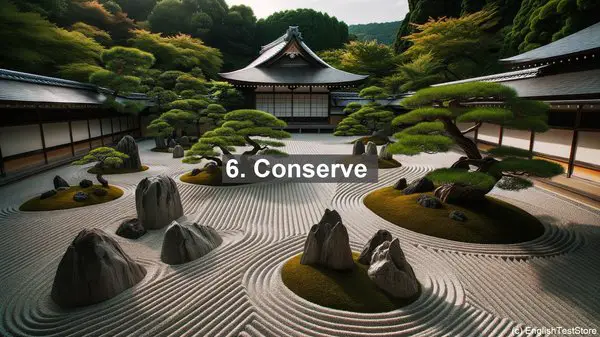
Conserve means to protect from harm or depletion. When we talk about urban ecology, conserving resources is paramount. This can include water conservation, energy conservation, or even preserving historical landmarks.
7. Restore
Restore means to bring back to a previous condition. In urban ecology, we often discuss the restoration of degraded areas. This can involve reestablishing native vegetation, reintroducing wildlife, or improving soil quality.

8. Promote
Promote means to encourage or support. In the context of urban ecology, promoting sustainable practices is crucial. This can be done through educational campaigns, incentives for green initiatives, or even policy changes.
9. Monitor
Monitor means to observe or keep track of. In urban ecology, monitoring is essential to assess the health of ecosystems. It helps identify potential issues, measure progress, and make informed decisions.
10. Collaborate
Collaborate means to work together towards a common goal. In the field of urban ecology, collaboration is key. It often involves partnerships between government agencies, NGOs, and community organizations to achieve sustainable outcomes.